

Hospital plastic trays play a key role in healthcare facilities. They are used to organize medical instruments, maintain hygiene and support safe patient care. From carrying surgical tools and dressings to transporting medications and laboratory samples, hospital trays are used in hospitals. These trays frequently come into contact with medical equipment and potentially infectious materials, sterilization and cleaning of hospital plastic trays are essential to prevent healthcare-associated infections.
What are hospital plastic trays?
They are healthcare plastic trays, long-lasting, lightweight and chemical-resistant containers, designed for storing, organizing and transporting medical instruments, surgical supplies, medications, dressings, laboratory samples and other healthcare essentials. They are engineered using premium-grade medical plastics such as polypropylene or ABS, and are crafted to withstand repeated cleaning, disinfecting and sterilization procedures without the loss of structural integrity.
Importance of Cleaning and Sterilizing Hospital Plastic Trays
Hospital plastic trays come into contact with medical devices, biological fluids, medications and patient–care equipment. Proper hospital plastic tray cleaning and sterilizing is important after every use; they can become a source of harmful bacteria, viruses, fungi and other pathogens, increasing the risk of cross-infection.
Proper sterilization of these trays helps maintain infection control standards, ensures patient safety, supports regulatory compliance, and increases their lifespan, preserving the quality of medical instruments placed inside the trays. Consistent cleaning protocols reduce healthcare-related infections, improve operational efficiency and reinforce trust in healthcare services.
GUIDE TO STERILIZATION AND CLEANING OF HOSPITAL PLASTIC TRAYS
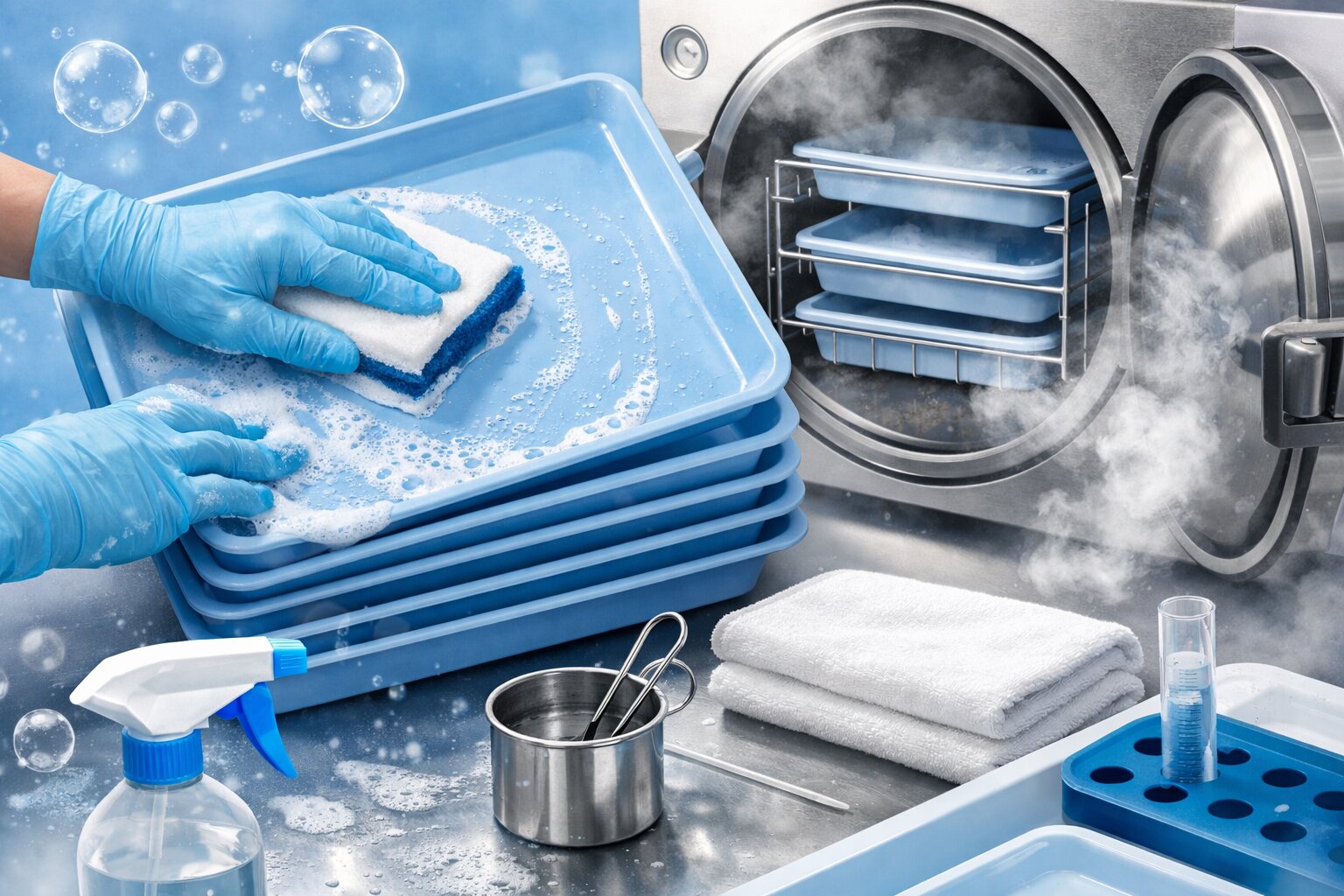
- Remove Visible Contaminants: One of the significant points to remember in hospital plastic tray cleaning guidelines is to start the cleaning process immediately after use. Delaying cleaning allows blood, body fluids, chemicals or organic matter to dry on the surface, making them much harder to remove. The healthcare staff should remove disposable materials safely, rinse trays with lukewarm water, use approved medical-grade detergents, avoid abrasive scrubbers that may scratch the surface and inspect for cracks or damage before reuse. Cleaning immediately reduces microbial load before the disinfection or sterilization process begins.
- Correct Cleaning Procedure: It is important to follow the right hospital cleaning procedure. Cleaning is different from sterilization. Before the sterilization process, hospital plastic trays must be washed nicely to remove dirt and organic residue that can reduce the effectiveness of disinfectants. The best cleaning practices include washing using neutral pH detergents, using soft microfiber cloths or soft-bristle brushes, cleaning tray corners and compartment edges carefully, rinsing thoroughly with clean water and drying completely before disinfection. Drying the tray properly after cleaning helps prevent bacterial growth caused by trapped moisture.
- Right Sterilization Method: It is important to choose the right method for medical plastic tray sterilization. Not every tray can tolerate every sterilization method. The chosen method depends on the tray’s material specifications and manufacturer recommendations. The most common methods include low-temperature hydrogen peroxide plasma, ETO, UV-C disinfection and steam sterilization. Before choosing the sterilization method, check the manufacturer’s temperature and chemical compatibility guidelines; an incorrect method may deform the tray or reduce its service life.
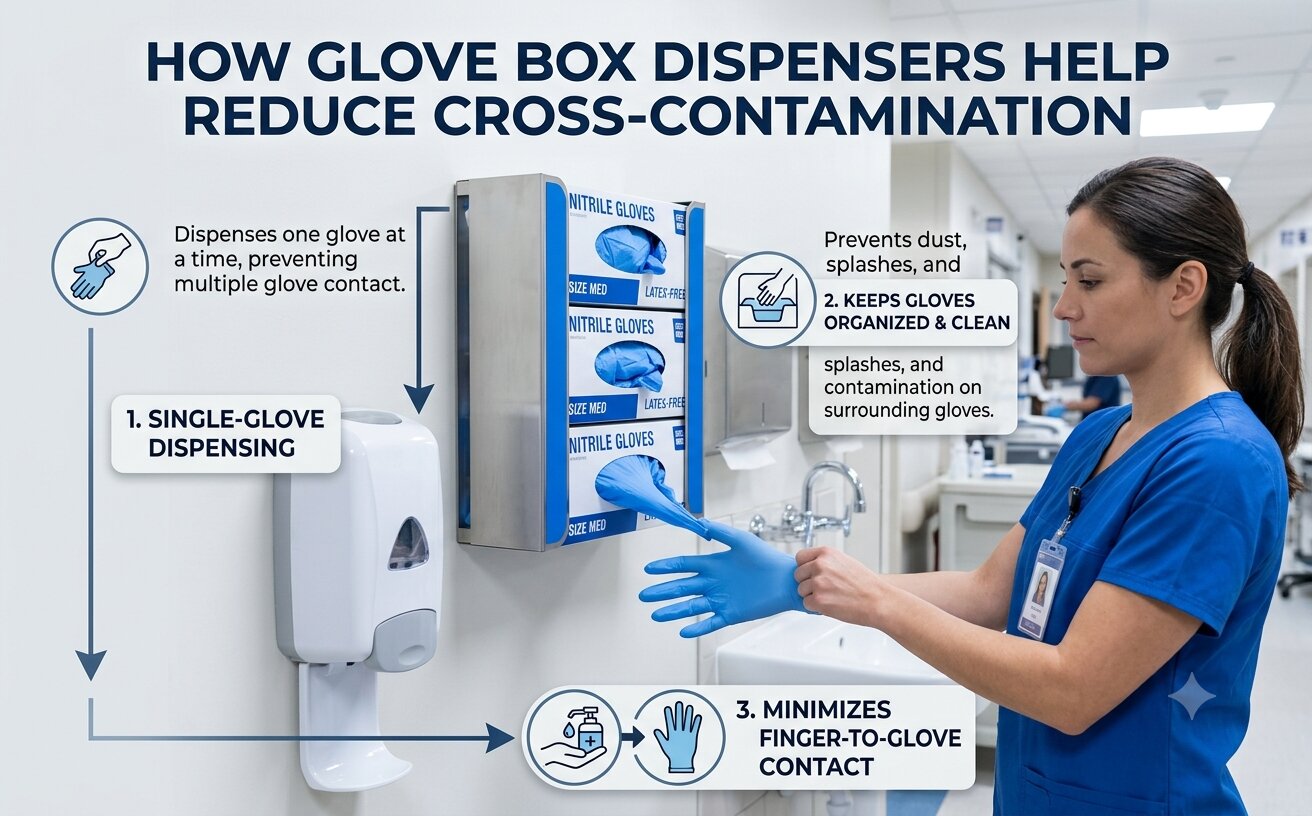
- Inspect, Store and Handle Sterilized trays properly: Sterilization is effective if trays remain uncontaminated afterwards. The healthcare facilities should inspect trays for stains, cracks, discoloration or warping; they must replace damaged trays instantly; they must store the trays in clean, dust-free and dry areas; and they must not stack wet trays together and handle sterilized trays with gloves whenever possible.
- SOPs and Staff Training: The success of the cleaning procedure of medical plastic trays depends on well-trained healthcare staff following SOPs. The hospitals must have written cleaning and sterilization SOPs; they must train their staff regularly on infection control procedures; they must maintain sterilization logs for traceability; they must schedule periodic audits and inspections and must update protocols according to the national and international healthcare guidelines.
Case Study
A 300-bed multi-speciality hospital experienced recurring contamination issues due to inconsistent cleaning procedures for reusable plastic trays used in surgical and emergency departments. They implemented SOPs, introduced the best disinfectants for hospital trays, scheduled staff training sessions and performed routine quality audits.
Within a month, their internal infection control assessment showed a reduction in tray related contamination incidents, improved compliance with hygiene protocols and increased staff confidence in instrument handling. This initiative also extended the usable life of the hospital plastic trays, increasing patient safety and reducing replacement costs.
Hospital plastic trays may appear simple equipment, but they play a key role in infection prevention and patient safety. Infection prevention using hospital trays sterilization and cleaning of hospital plastic trays reduces the spread of harmful microorganisms, ensuring compliance with healthcare standards and durability of medical equipment.
Work with a professional medical equipment manufacturer and exporter for premium-quality hospital plastic trays that blend durability, hygiene and long-term performance. Following standardised cleaning procedures, selecting the right sterilization methods, inspecting the trays regularly and training your healthcare staff will ensure a cleaner, safer and more efficient clinical environment.
FAQs
- Why disinfecting hospital trays is important?
Disinfecting medical plastic trays prevents cross-contamination, reduces the risk of healthcare-associated infections and ensures a safe, hygienic environment for patients and healthcare professionals. United Poly offers medical-grade hospital plastic trays according to your requirements. - How to sterilize hospital plastic trays?
Sterilize hospital plastic trays using the manufacturer-approved method, such as steam autoclaving, ethylene oxide or low-temperature hydrogen peroxide sterilization after thorough cleaning and drying. - How to clean reusable medical trays?
Clean reusable medical trays by washing them with a medical-grade detergent, rinsing thoroughly, drying completely and disinfecting or sterilizing them as per the manufacturer’s guidelines before use. United Poly provides guidelines to clean and sterilize their hospital plastic trays to ensure a thorough procedure.
About the Author
United Poly is a notable medical equipment manufacturer and supplier with more than 40 years of experience. With ISO certified production standards and FDA- and CE-compliant quality, the brand delivers reliable healthcare solutions, including hospital plastic trays, ICU beds, sterilization solutions, and elderly walkers trusted by end users across India and international markets.