

Hospital furniture plays a key role in maintaining hygiene, patient comfort and operational efficiency in healthcare facilities. Choosing the right material is key to ensuring patient safety, durability, and convenience. The right material choice also helps control maintenance costs and ensure long-term performance. Stainless steel hospital furniture is often preferred over mild steel because of its great corrosion resistance, durability and ease of cleaning. Mild steel is a cost-effective option; it requires protective coatings and regular maintenance to prevent rust. For healthcare facilities including hospitals, clinics, diagnostics facilities, and surgical units, stainless steel offers a more reliable long-term investment when furniture is designed and manufactured.
What is Hospital Furniture?
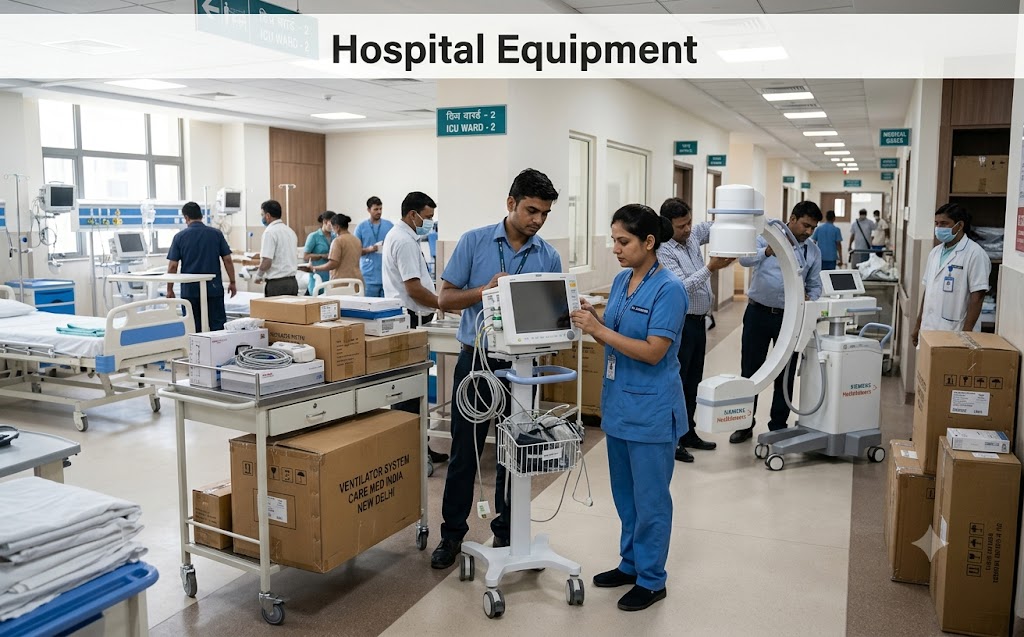
Hospital furniture is a specialized furniture used in clinics, hospitals, nursing homes and other healthcare facilities. It includes hospital beds, bedside lockers, examination tables, instrument trolleys, medical storage cabinets and other essential products.
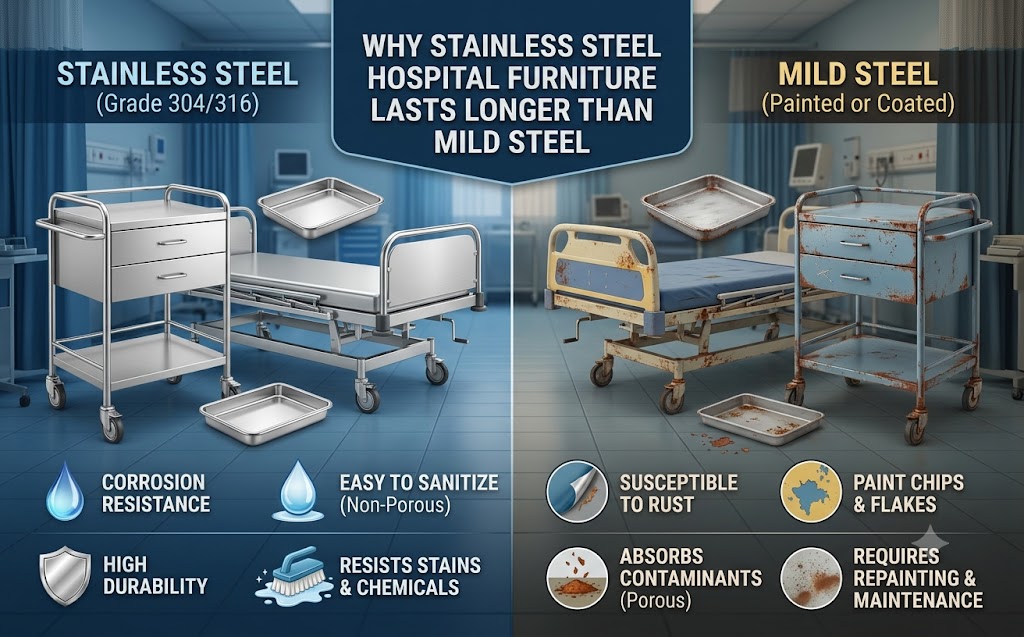
Why Stainless Steel Hospital Furniture Lasts Longer than Mild Steel?
- Rust and Corrosion Resistance: One of the significant benefits of stainless steel hospital equipment is its resistance to corrosion. Stainless steel contains chromium, which forms a thin and protective oxide layer on the surface. This layer helps protect the underlying metal from rusting when the material is properly chosen, maintained and fabricated. Mild steel does not have the same level of corrosion resistance. It requires paint, powder coating or another protective finish to prevent rust. In hospitals, furniture is frequently cleaned and exposed to moisture; stainless steel provides better long-term protection against deterioration.
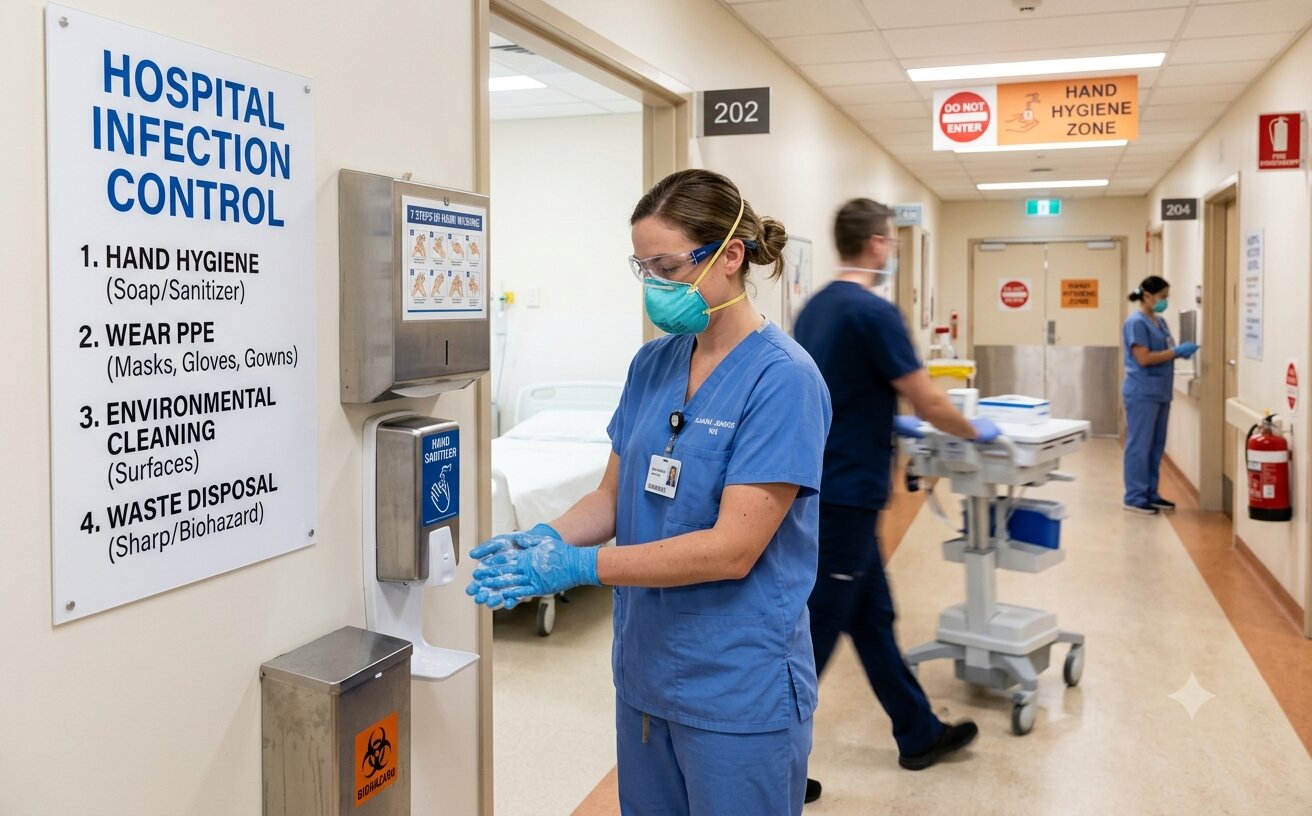
- Supports Healthcare Hygiene: Hygiene is a main aspect that cannot be ignored in hospitals. Maintaining a clean environment is important in a healthcare setting. The furniture must be able to withstand routine cleaning and disinfection without developing damaged surfaces that become difficult to maintain. However, stainless steel has a smooth, non-porous surface, ensuring ease of cleaning. Also, it does not require a painted protective layer for its corrosion resistance. Mild Steel Hospital Furniture can also be hygienic provided its coating remains intact, and its surfaces are properly maintained. For patient care, treatment rooms, and medical preparation spaces, good-quality stainless steel furniture supports cleaning practices.
- Strong and Reliable Performance: When comparing stainless steel v/s mild steel furniture, consider strength and reliability. Hospital furniture is used 24/7 by patients, medical staff and support teams. Stainless steel provides excellent strength and durability based on grade and design. Properly manufactured furniture can maintain its structural integrity through frequent use, making it apt for demanding healthcare settings. Mild steel offers good strength and also performs well in heavy-duty applications. The actual performance depends on material thickness, grade, frame design, load capacity, welding quality and standards of manufacturing. Stainless steel is a perfect blend of structural performance and corrosion resistance, ensuring durability.
- Lower Maintenance Requirements: The initial price is only a part of the total cost of hospital furniture. Other factors, including repairs, repainting, replacement parts, labour, and the cost of replacing damaged products, are to be considered. Mild steel with a painted or powder-coated finish requires frequent touch-ups. The rusted parts require repairs or replacement depending on the extent of damage. Stainless steel furniture does not need routine repainting to protect underlying metal from corrosion, thus reducing certain maintenance tasks.
- Ideal for Demanding Healthcare Facilities: Hospitals, clinics and other facilities use strong cleaning agents, disinfectants and frequent cleaning procedures. Furniture must be ideal for the environment, ensuring it withstands the conditions in which it operates. Appropriately chosen stainless steel performs well in many facilities due to its corrosion resistance and ease of maintenance. Mild steel is apt for dry areas or applications where cost is a major consideration and protective coating can be maintained. In areas in hospitals, clinics and other facilities with frequent washing, moisture exposure and intensive use, stainless steel furniture is an ideal choice.
Stainless Steel v/s Mild Steel Hospital Furniture
| Feature | Stainless Steel | Mild Steel |
| Resistance to Rust | Naturally corrosion resistant | Needs protective Coating |
| Surface Maintenance | Does not require repainting for corrosion protection | Coating repairs required |
| Cleaning | Smooth, properly finished surfaces are easy to clean | Easy to clean when coating remains in place |
| Durability | Long-Term | Depends on coating condition and environment |
| Initial Cost | Higher | Lower |
| Long-Term Value | Reduce Corrosion Related Maintenance | Addition repair and refinishing costs |
Case Study
A multi-specialty hospital in Delhi experienced recurring maintenance issues with mild steel instrument trolleys and storage units used in patient care rooms. Frequent cleaning and moisture exposure damaged the protective coating on several units, resulting in rust spots and surface deterioration followed by added maintenance work. The hospital required a durable alternative that could support routine practices and daily medical operations.
The hospital management worked with a professional medical equipment manufacturer to purchase stainless steel furniture. The new furniture has corrosion-resistant surfaces, strong construction, fine finishes and a design ideal for routine cleaning. The supplier also helped the management choose the ideal product based on intended applications and operating conditions.
The management replaced corrosion-affected furniture with the right stainless steel alternatives and addressed the recurring issues of coating damage and rust on replaced units. This case study shows how choosing the right material and partnering with an experienced hospital furniture manufacturer can help the healthcare facilities improve furniture durability and manage long-term maintenance needs.
In the choice between stainless steel v/s mild steel furniture, the former can be a smart long-term investment for healthcare facilities that require easy-to-clean, durable and corrosion-resistant equipment. There is no need for a protective coating on stainless steel furniture, thus reducing rust-related maintenance.
When seeking the right stainless steel hospital furniture, work with a professional medical equipment manufacturer who understands modern hospitals’ and clinics’ requirements.
FAQs
- Why does stainless steel hospital furniture last longer?
Superior corrosion resistance, durability, easy maintenance, and the ability to withstand frequent cleaning make stainless steel hospital furniture last longer. United Poly offers the best quality furniture tailored to your hospital’s requirements. - Why is stainless steel better for hospital equipment?
Stainless steel offers better corrosion resistance and generally requires less rust-related maintenance, making it an ideal choice for hospital furniture. - Is stainless steel hospital furniture easy to clean?
Yes, it has a smooth, non-porous surface that supports routine cleaning and disinfection when compatible cleaning products are used. United Poly offers the best quality and medical-grade stainless steel hospital furniture.
About the Author
United Poly is a leading manufacturer, supplier and exporter of the best quality medical equipment and furniture. With more than 3 decades of experience in this niche, the brand offers long-lasting, reliable and cutting-edge medical solutions. Backed by certifications including ISO 9001:2015, ISO 13485:2016, FDA and CE, United Poly is committed to the best standards of quality, safety, product performance and customer satisfaction.