

Hospital-acquired infections, or HAIs, can affect patients, healthcare staff and visitors, making effective infection prevention a key part of healthcare facility management. A well-designed hospital infection control program blends proper hygiene practices, staff training, environmental cleaning, sterilization, waste management and the right medical equipment. From healthcare facilities to clinics, diagnostic centers, and surgical centers, healthcare providers need reliable hospital infection control equipment to maintain hygienic environments and support safe clinical operations. It is important to work with a professional medical equipment supplier or exporter to get the best quality medical equipment that controls hospital infection.
What is Hospital Infection Control Equipment?
Hospital Infection Control Equipment refers to medical, cleaning, sterilization, protective and waste management equipment used to reduce the risk of infection transmission within the healthcare facility. It includes hand hygiene stations, disinfecting systems and specialized hospital furniture designed for hygienic use. These products work alongside the established infection prevention protocols of the hospitals and clinics.
Hospital Infection Control – Essential Equipment Every Healthcare Facility Needs
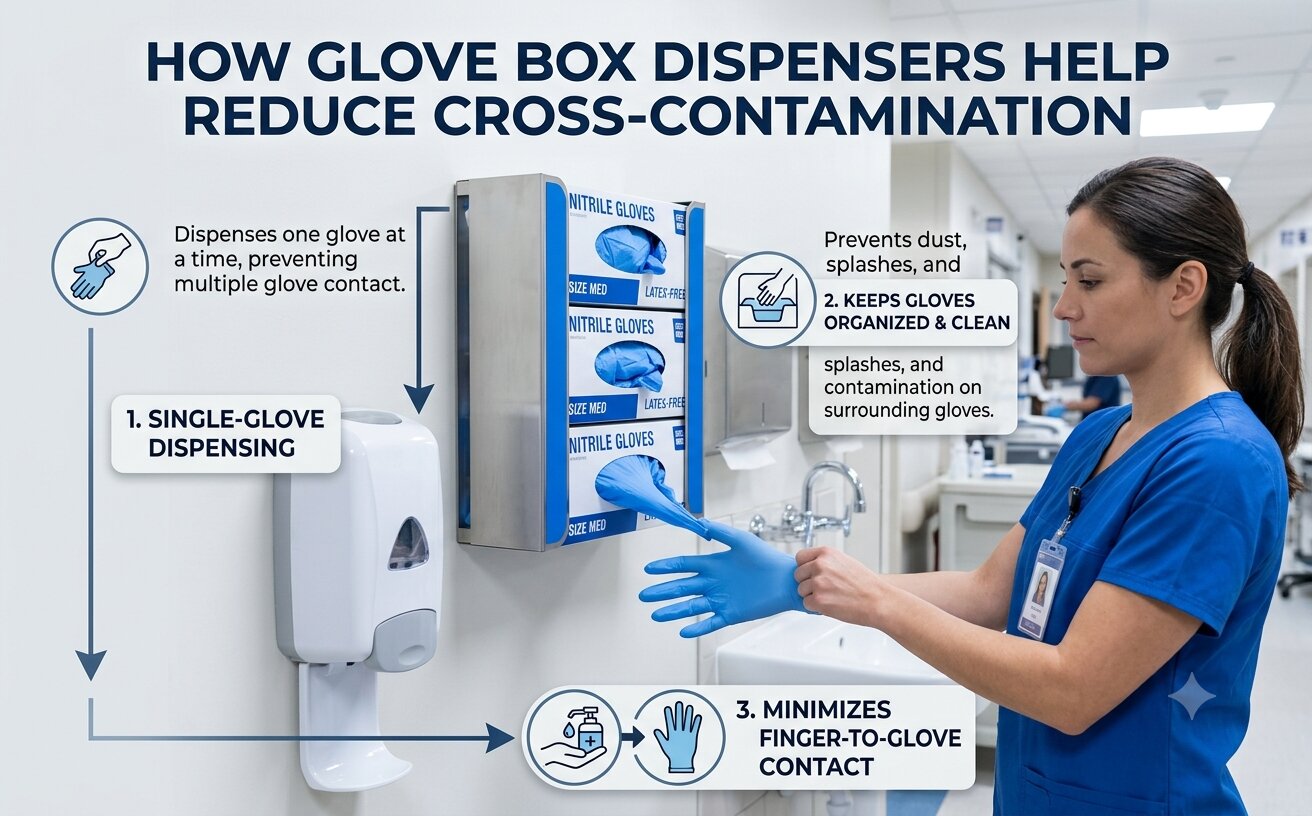
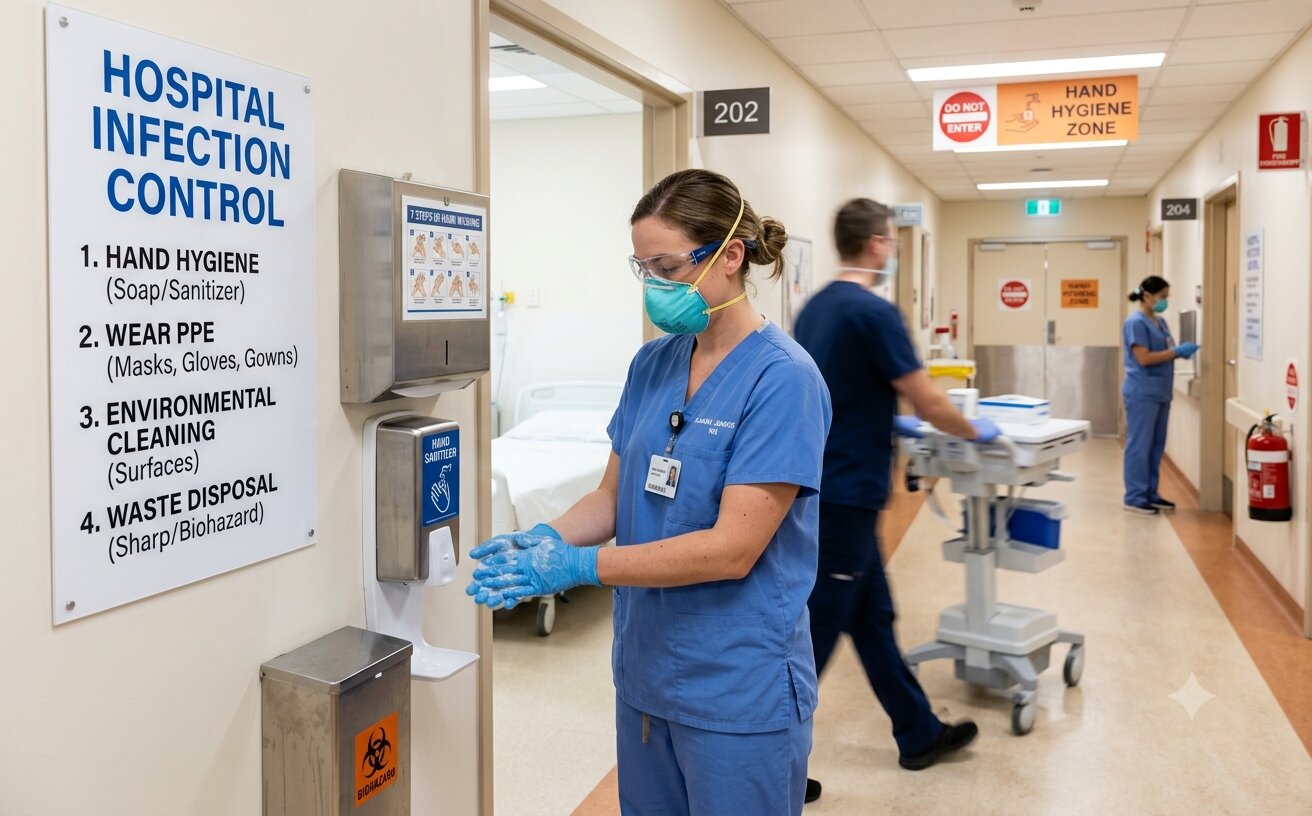
- Hand Hygiene and Disinfection Equipment: Hand hygiene is one of the basic parts of infection prevention in healthcare settings. Facilities should provide conveniently located handwashing stations, soap dispensers, alcohol-based hand rub dispensers and other appropriate hygiene accessories. Healthcare facilities may also require disinfectant dispensing units and cleaning equipment for frequently touched surfaces such as bed rails, door handles, examination tables and medical workstations. Seamless access to infection control equipment can help staff follow established hand hygiene procedures consistently.
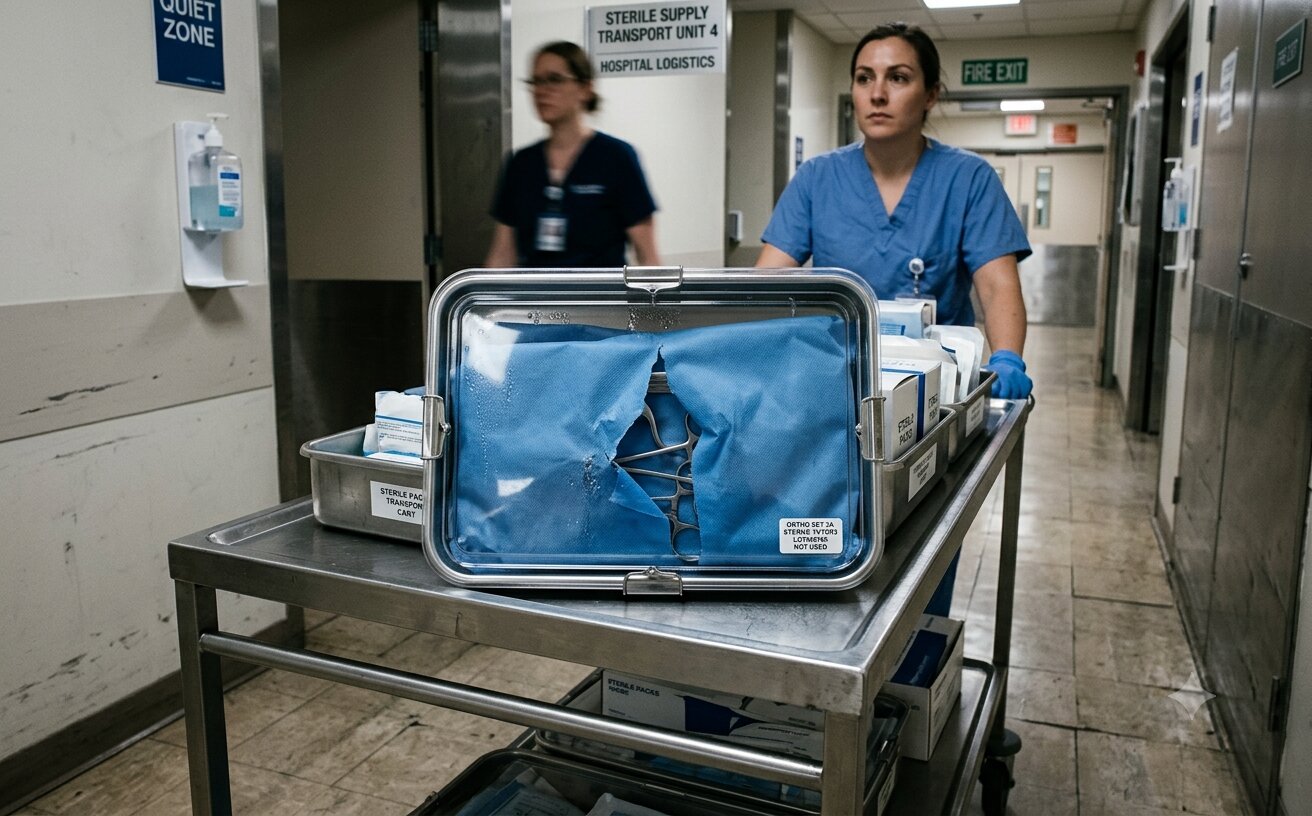
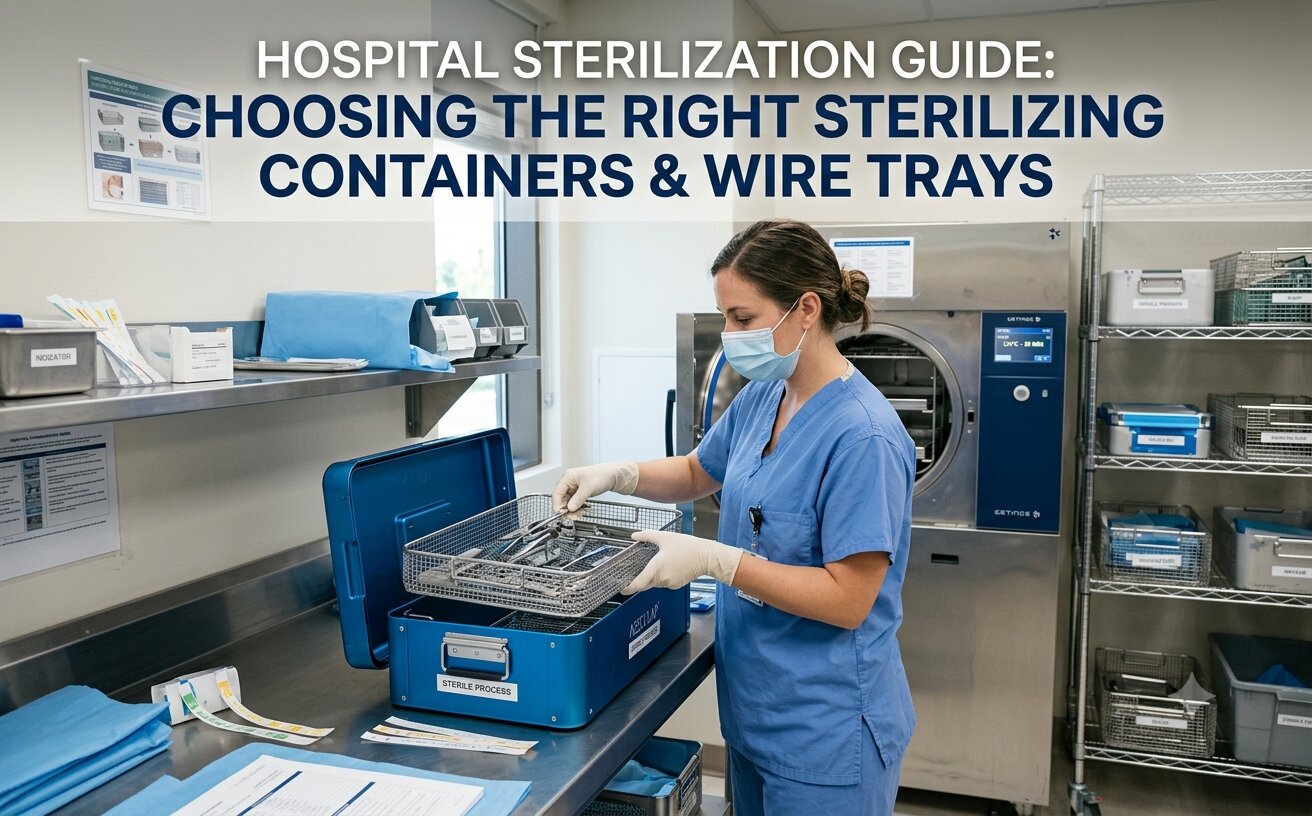
- Sterilization and Decontamination Equipment: Reusable medical infection control equipment needs appropriate cleaning, disinfection and sterilization as per their intended use and manufacturer’s instructions. Healthcare facilities may require hospital infection prevention products such as autoclaves, instrument cleaning systems, sterilization containers and other decontamination accessories. CSSDs, operating theatres, dental facilities and procedure rooms have specific sterilization needs. When choosing the right medical equipment, the hospital staff must consider instrument type, workload, validated process, and applicable healthcare guidelines.
- PPE and Sharps: PPE, or Personal Protective Equipment, provides a shield between healthcare workers and potentially infectious materials. Based on the task and risk assessment, facilities may use gloves, masks, protective gowns, eye protection and face shields. The sharp containers are equally important for safely disposing of needles and other sharp medical items. Properly designed, clearly identified and conveniently positioned sharps disposal containers can help reduce accidental exposure to contaminated sharps.
- Medical Waste & Hygienic Hospital Equipment: Hospitals, clinics and nursing homes generate different types of waste. It is very important to appropriately segregate, collect, store and dispose of waste. Among the most common waste-handling infection control supplies for hospitals that support proper waste handling are medical waste bins, color-coded containers, pedal-operated bins and sharps disposal systems. Facilities should consider hygienic hospital furniture and equipment with surfaces that are easy to clean and disinfect. Stainless steel products, suitable hospital trolleys, instrument tables and other meticulously designed equipment can support routine cleaning and environmental hygiene.
Case Study
A multi-specialty hospital was expanding its outpatient department, procedure rooms, and diagnostic services. The facility had an infection control policy but faced practical challenges, insufficient hand hygiene points, inconsistent waste segregation, limited sharps disposal capacity and difficulty maintaining standard cleaning practices across departments. Instead of procuring individual products from many vendors, the hospital approached a professional medical equipment supplier for assessment. The supplier’s team reviewed the departments, workflow, patient volume and existing infection control equipment. As per the facility’s requirements, the supplier recommended the right, hand hygiene stations, medical waste bins, cleaning-support devices and hygienic hospital furniture.
The supplier also helped the hospital standardize the placement of infection prevention equipment across relevant areas and provided product information and usage guidance to the facility’s procurement and infection control teams. This helped the hospital create a more organized infection control setup, improving accessibility to essential hygienic equipment and simplifying procurement. This case demonstrates that a professional medical equipment manufacturer and supplier does more than provide the products. They help the healthcare facilities track their equipment requirements, developing a practical procurement approach according to their operational needs.
How to choose the right Hospital Infection Prevention Equipment?
- Match equipment to your hospital’s departments, patient volume and workflow
- Choose the products that are long-lasting, easy to clean and sterilize, engineered as per the medical-grade standards and appropriate for healthcare environments.
- Check the applicable standards, certifications and manufacturer documentation.
- Work with a professional medical equipment exporter or supplier offering product support and technical information.
- Consider if the equipment’s replacement parts are easily available and whether the manufacturer will provide servicing, maintenance and product guidance post-sale.
Infection Prevention and Control Equipment is not a procurement item. The wrong product, incorrect placement or inadequate capacity will create operational challenges for the healthcare staff. Working with a professional medical equipment supplier will help hospitals evaluate their needs, choose appropriate products and develop a coordinated procurement plan. A supplier with manufacturing capacities will provide customized solutions for specific departments, facility layouts or operational requirements.
Choosing the right infection control equipment for hospitals will help the healthcare facilities create a safer, more hygienic and operationally efficient environment. Partnering with an experienced medical equipment exporter or manufacturer can simplify product selection and ensure that equipment is aligned with the facility’s specific needs.
FAQs
- What is hospital infection control equipment?
It includes products used to support hygiene, sterilization, PPE, waste management, disinfection and infection prevention procedures in healthcare facilities. United Poly offers high-quality and medical-grade healthcare infection prevention equipment according to your facility’s requirements. - How to choose the right infection control equipment?
Consider the departments, patient volume, workflow, equipment specifications, applicable standards, quality documentation and supplier support before purchasing. - What equipment is essential for hospital infection control?
Essential equipment includes PPE, sharps containers, medical waste bins, sterilization systems and more. United Poly offers the best quality hospital infection control equipment at the best price.
About the Author
United Poly is a trusted manufacturer, supplier and exporter of the best quality medical equipment and hospital furniture. With an industry experience of 30 years, the brand is committed to deliver durable, reliable and innovative healthcare solutions engineered to meet diverse medical requirements. Backed by ISO 9001: 2015, ISO 13485: 2016, FDA and CE certification, United Poly focuses on quality, safety and customer satisfaction in all its products.