

Operating rooms in hospitals, nursing homes and clinics often require one common instrument that is surgical forceps. Whether the surgeons are performing a minor procedure or a complex surgery, they rely on forceps for holding, gripping, clamping and manipulating tissues with precision.
There are different types of surgical forceps. The right forceps type helps improve the accuracy of the surgery, reduce tissue damage and increase patient safety. With the advancements in medical technology and growing emphasis on quality healthcare, choosing the right surgical forceps types is very important.
What are Surgical Forceps?
Surgical Forceps are handheld medical instruments designed to hold, grasp, compress or manipulate tissues and surgical materials during medical procedures. They are, in fact, an extension of a surgeon’s fingers. The forceps used in surgery provide better control and precision in areas that may be difficult to access manually.
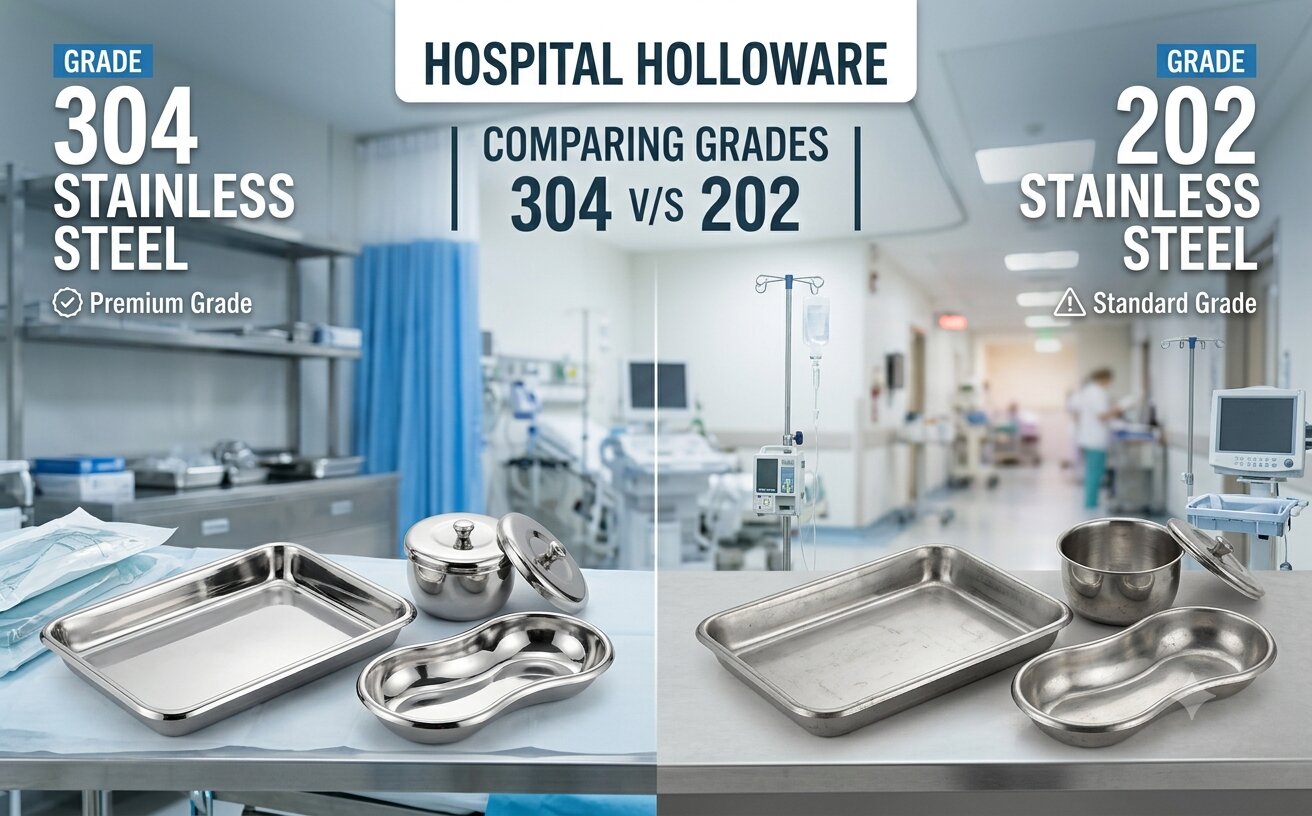
The surgical forceps are manufactured using premium-grade stainless steel to ensure durability, corrosion resistance and repeated sterilization without compromising on performance.
Functions of Surgical Forceps
- They hold tissues during surgical procedures
- Clamp blood vessels to control bleeding
- Grasp dressing and surgical materials
- Handle delicate organs and tissues
- Help in biopsies and sample collection
- Improve precision during surgical interventions.
Types of Forceps used in Surgery
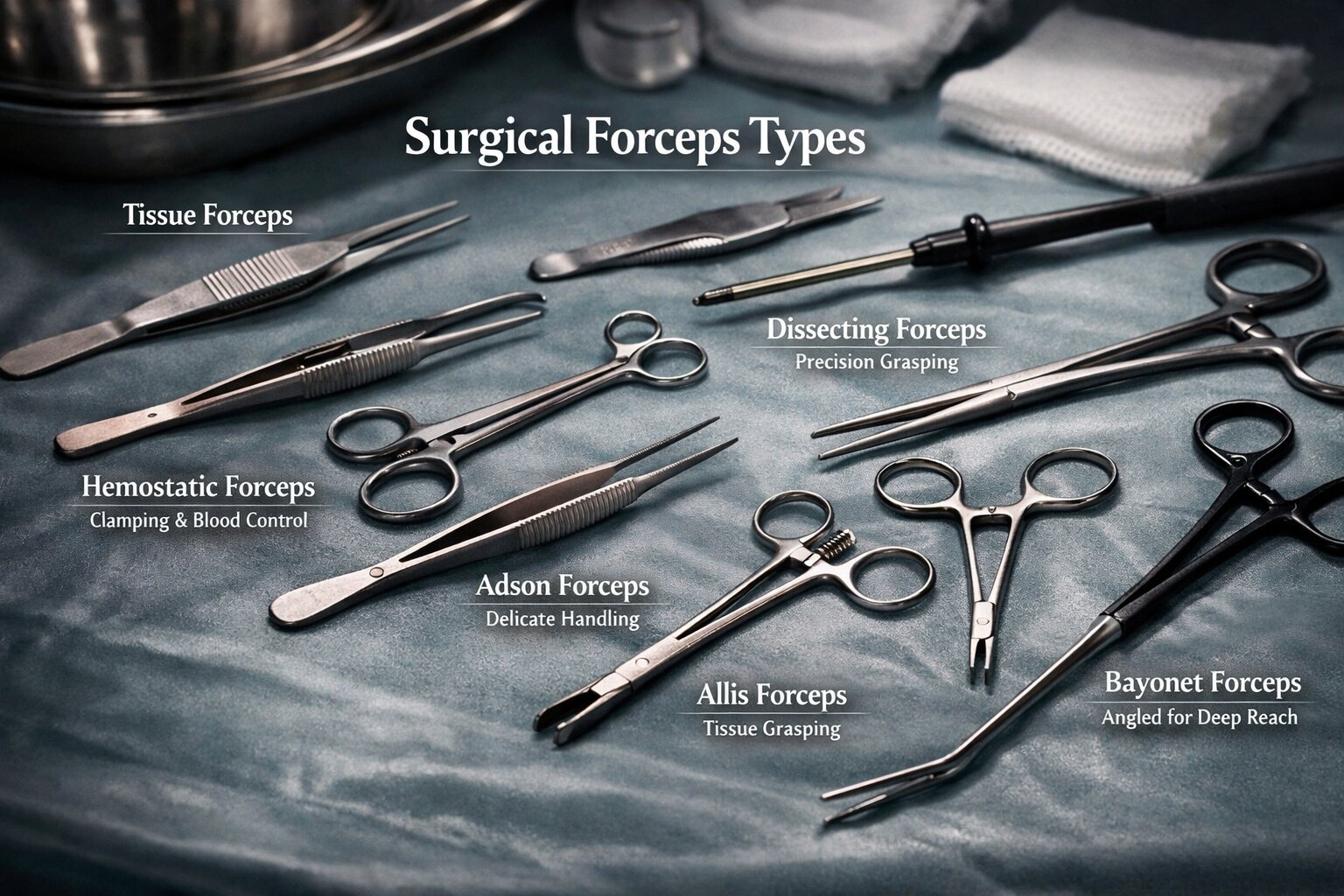
Different surgical procedures require different forceps designs. Here are some of the common types of medical surgical forceps and their uses.
- Artery Forceps: Artery forceps uses are many, including clamping blood vessels and controlling bleeding during surgery. They feature locking handles that maintain pressure on the vessel without requiring continuous hand force. The other uses include holding tissues temporarily and helping in wound closure procedures.
- Dressing Forceps: These are non-locking instruments primarily used for handling dressings, gauze and sterile materials. Dressing forceps uses include applying and removing wound dressings, handling sterile surgical materials, cleaning wounds and helping in minor procedures.
- Tissue Forceps: They are used to hold and stabilize tissues during surgical procedures. Some types have teeth at the tip for a firm grip. The tissue forceps functions include grasping skin and soft tissues, holding tissues during suturing, helping in wound closure and tissue manipulation during surgery.
- Hemostatic Forceps: These tools are specialized instruments used to stop bleeding by compressing blood vessels. The uses of hemostatic forceps include controlling haemorrhage, clamping small blood vessels, preventing excessive blood loss and maintaining a clear surgical field.
- Biopsy Forceps: The biopsy forceps are designed to collect tissue samples for diagnostic testing and pathological examination. The common functions of biopsy forceps are obtaining tissue samples, diagnosing cancer and other diseases, and used in endoscopic procedures and gastrointestinal examinations.
- Thumb Forceps: A simple, tweezer-like instrument is operated using thumb pressure and finger control. The thumb forceps surgical uses include handling delicate tissues, removing foreign objects, helping in suturing and manipulating surgical materials.
- Mosquito Forceps: A small, fine-tipped hemostatic forceps used for delicate surgical work, mosquito forceps are commonly used in plastic surgery, pediatric surgery, microsurgical procedures and more. The mosquito forceps uses include clamping tiny blood vessels, controlling minor bleeding, and performing delicate procedures and enable handling of tissue with precision.
- Allis Forceps: They feature serrated jaws with interlocking teeth, providing a secure grip on tissue. The functions of allis forceps include holding tough tissues, grasping fascia and skin, tissue traction during surgery and securing surgical materials. They are commonly used in general surgery, gynaecological procedures, orthopaedic surgeries and abdominal operations.
- Babcock Forceps: They are designed with smooth, rounded jaws that securely hold delicate tissues without causing damage. The uses of Babcock forceps include holding intestines and bowel tissue, grasping fallopian tubes, manipulating delicate organs and preventing tissue trauma.
Case Study
A multi-speciality hospital in Delhi was experiencing frequent instrument replacement due to poor-quality forceps that showed signs of corrosion. This reduced gripping performance after repeated sterilization cycles.
The hospital faced many challenges, including increased surgical delays, higher instrument replacement costs, reduced precision during delicate procedures and concerns regarding patient safety. To solve these issues, the hospital management worked with a professional medical equipment supplier and upgraded to premium-grade stainless steel forceps.
The result showed –
- 40% reduction in the instrument cost
- Improved surgical satisfaction
- Increased surgical precision
- Better resistance to repeated sterilization
- Increased operating room efficiency
The case study showed investing in the best quality surgical forceps from a trusted medical equipment provider can improve clinical outcomes, reduce long-term costs and support patient safety.
Benefits of Purchasing Surgical Forceps from a Dedicated Medical Equipment Provider
- Premium quality medical-grade stainless steel forceps
- Compliance with healthcare and sterilization norms
- Wide range of surgical forceps for different specialities
- Reliable after-sales support
- Durable and long life span
- Quality assurance and inspection protocols
A reliable medical equipment manufacturer and exporter also helps the healthcare facilities maintain regulatory compliance while ensuring surgeons have access to dependable instruments during critical procedures.
The performance of the surgery depends on the quality of the instruments being used in the procedure. Every surgical instrument plays a key role in ensuring precision, efficiency and patient safety. Partner with a trusted medical equipment manufacturer to have access to long-lasting, precision-engineered and medical-grade surgical tools that meet modern surgical standards and deliver dependable performance in every surgery.
Contact the reliable supplier to discuss your requirements.
FAQs
- What are the uses of Surgical Forceps?
They are used to grasp, hold, cramp, compress or manipulate tissues and surgical materials during medical procedures. United Poly offers the best quality surgical tools at a competitive price. - What is the difference between artery forceps and tissue forceps?
Artery forceps are used to clamp blood vessels and control bleeding. Tissue forceps are designed to hold and stabilize tissues during surgery. - How often should surgical forceps be replaced?
The usage timeline depends on their use frequency, sterilization cycles and instrument condition. United Poly’s best quality forceps have a long service life when maintained properly.
About the Author
United Poly is India’s trusted medical equipment exporter, supplier and manufacturer. The brand has a proven track record of delivering superior healthcare solutions for more than 40 years. The brand maintains internationally recognized standards through certifications such as ISO 9001: 2015, ISO 13485:2016, FDA and CE.
With a focus on quality, innovation and durability, United Poly manufactures a wide range of hospital equipment, walkers, medical furniture; sterilization systems that help healthcare providers create a safe and efficient patient care environment.