

Hospital furniture is one of the most important requirements in every healthcare facility. Hospital beds, examination tables, bedside cabinets, trolleys, chairs, and other hospital furniture directly affect patient safety, caregiver workflow, infection control and daily hospital operations. It is important to choose the right hospital furniture to help reduce avoidable risks, while making routine tasks easier and more efficient for healthcare professionals.
Why Safety is an Important Factor in Hospital Furniture?
Safety is one of the most significant factors when choosing good hospital furniture because patients may have limited mobility, reduced strength, or special care requirements, and hospital staff use furniture repeatedly throughout long shifts. If a bed is unstable, a trolley is difficult to move and has a sharp edge or a transfer surface or furniture is poorly designed and difficult to clean, it can create unnecessary risk. Thus, safe hospital furniture procured from reliable hospital manufacturers-
- Provide Stability
- Has load-bearing capacity
- Ensures Smooth and secure movement
- Has Patient –friendly design
- Easy to Clean
- Has Dependable Functionality
- Supports healthcare workers instead of creating additional physical strain
WHO emphasizes that medical equipment should be safe, good quality and appropriate for the setting in which it is used.
How to Choose Hospital Furniture that improves Patient Safety and Staff Efficiency?
- Stability, Strength and Load Capacity: The most important factors to consider when buying hospital furniture are to evaluate stability, strength and load capacity of the equipment. The furniture procured must be suitable for its intended clinical environment and expected workload. Hospital beds, stretchers, examination tables and patient chairs should have appropriate structural strength, stable frames and reliable locking mechanisms. Check the product specifications, weight capacity, dimensions and relevant quality or regulatory documentation before purchasing. Furniture should remain stable during normal patient transfers and routine clinical use.
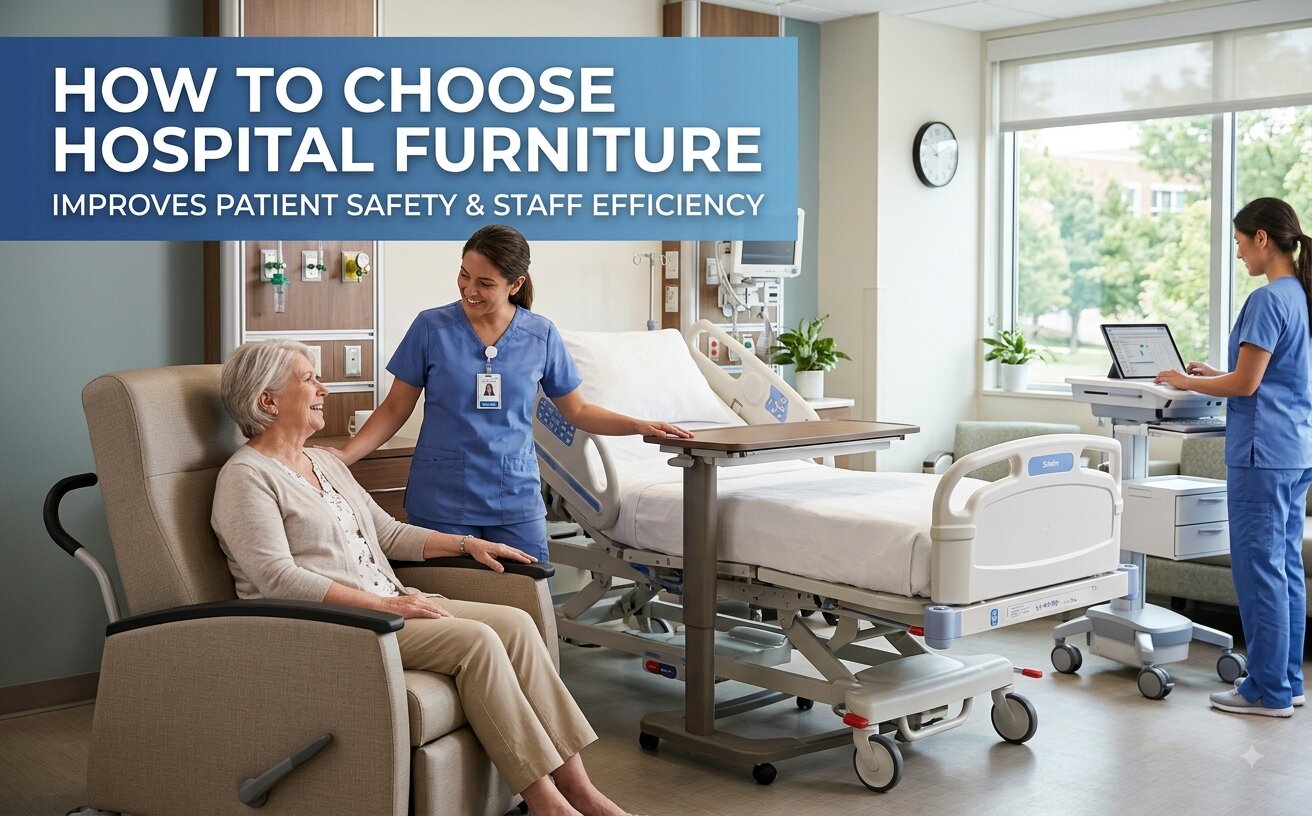
- Ergonomic Designs for Patients and Staff: The best hospital furniture for modern hospitals is the ones that make common healthcare tasks easier. Adjustable beds, appropriately positioned controls, easy-to-move trolleys and accessible storage can reduce unwanted bending, reaching and lifting. For patients, ergonomic designs can improve comfort and make transfers easier. For staff, well-designed furniture can save time during repetitive tasks and support seamless workflow.
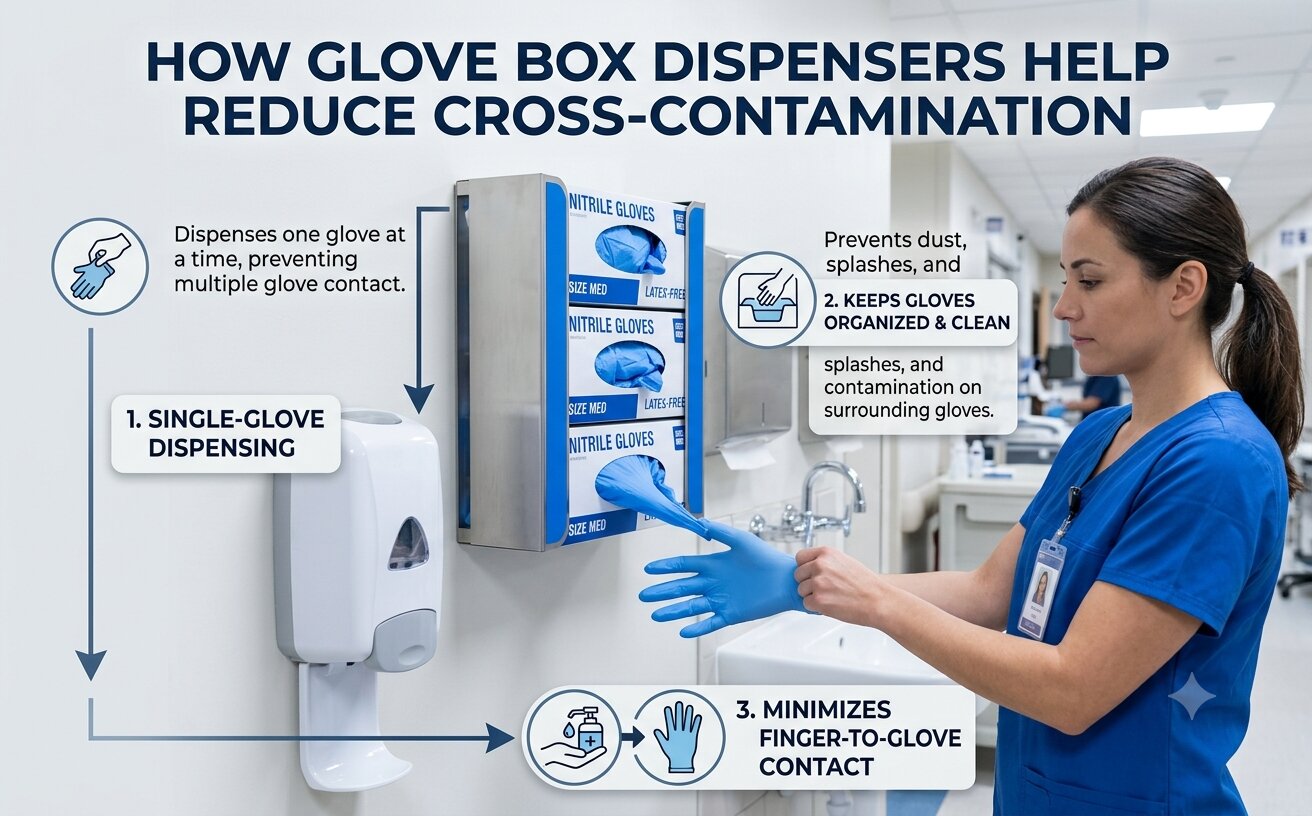
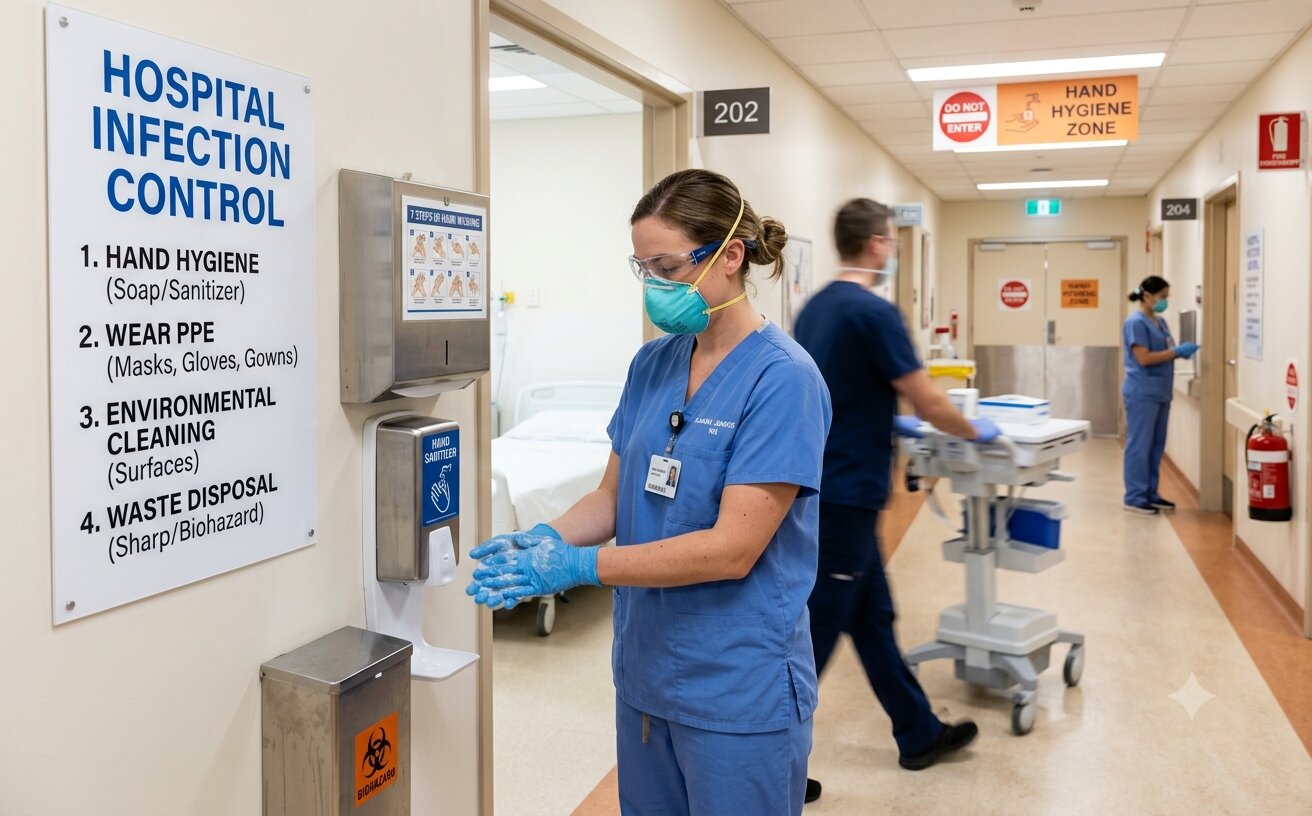
- Supports Infection Control: Hygiene and cleanliness are very important in healthcare facilities, and they cannot be compromised in any way. Hospital furniture is exposed to frequent contact and regular cleaning, so surfaces should be easy to disinfect and maintain. Select materials and finishes that can withstand routine hospital cleaning procedures without quickly deteriorating. Choose furniture that has no complicated surfaces, inaccessible joints or designs that allow dirt and contaminants to accumulate. Good infection control furniture complements the hospital’s infection-prevention practices instead of making cleaning more difficult.
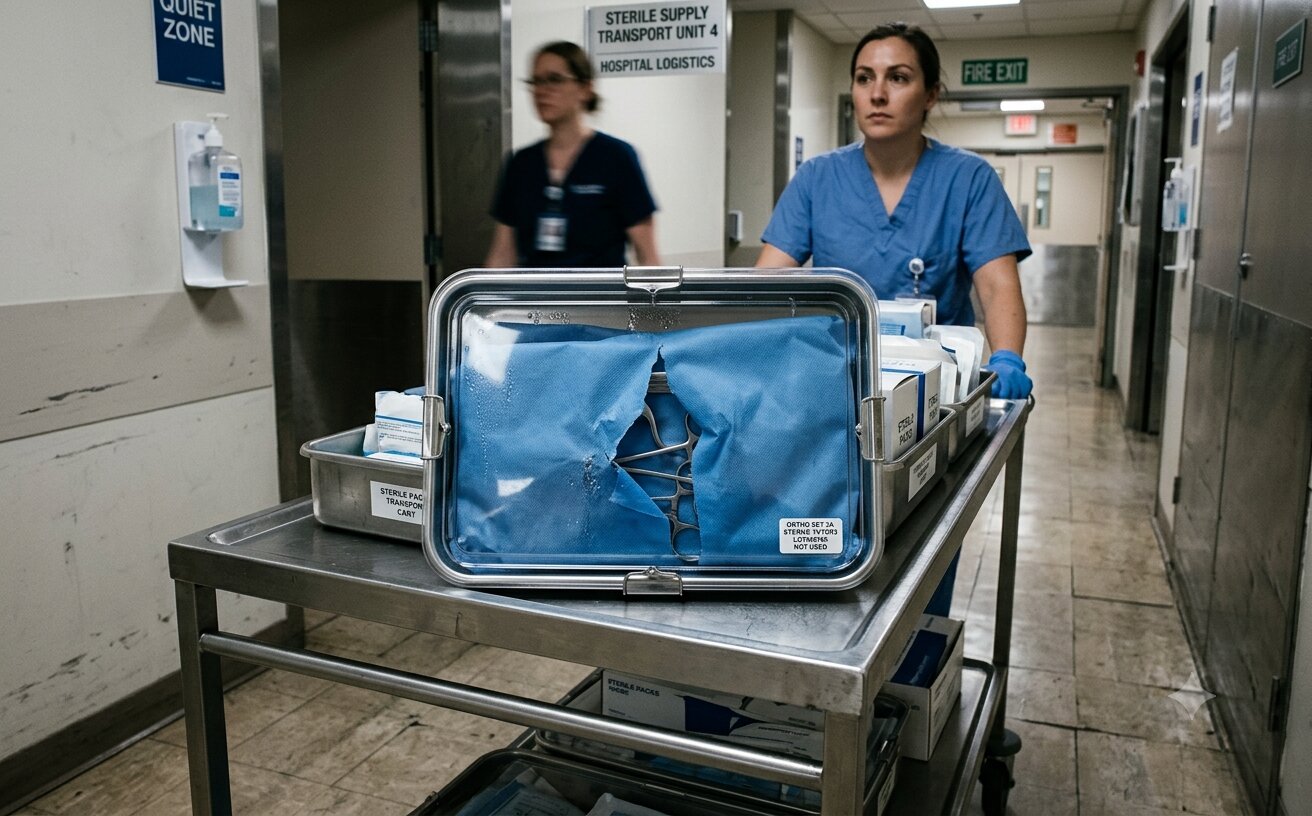
- Mobility and Workflow: The efficiency of the hospital furniture depends on how easily furniture can be positioned, moved and stored. Trolleys and mobile equipment should have suitable casters and dependable brakes. Beds and stretchers should be maneuverable within available space. Furniture dimensions should also fit corridors, patient rooms, operating areas and elevators. Check the requirements before procurement so that you invest in the right furniture.
- Durability: Good hospital furniture withstands operating conditions. Check construction quality, warranty period, spare parts, maintenance requirements and technical support. A lower initial price does not mean better value if the furniture requires frequent repairs or becomes unusable quickly. As per the WHO guidelines, it is advisable to evaluate the reliability of the supplier, after-sales service, warranties, spare parts and technical support as part of procurement decisions. Check the total cost of ownership instead of focusing only on the initial purchase price.
- Beyond Price- Price should not become the only purchasing parameter when procuring hospital furniture. Hospitals need furniture that provides dependable performance throughout its useful life. A procurement decision should consider product quality, intended use, safety specifications, warranty, maintenance, installation, staff training and long-term service support.
Case Study
A 150-bed multi-speciality hospital in Delhi replaced its ageing patient beds and clinical trolleys. Previously, staff experienced difficulties in moving beds through narrow corridors, adjusting patient positions and cleaning complicated surfaces. The hospital changed its procurement approach by evaluating furniture based on stability, mobility, ergonomic adjustment, durability and service support instead of price alone. The hospital procured furniture from one of the best hospital furniture suppliers that provided technical specifications, warranty, coverage, spare-parts support and user guidance. The new furniture was tailored according to clinical workflows, allowing the staff to easily adjust beds and ensuring patient transfers were more manageable. Also, staff could clean more easily and could position mobile trolleys efficiently. This case study shows why hospital furniture procurement should consider the needs of both patients and healthcare workers.
Procuring premium quality and NABH-compliant hospital furniture from a reputed manufacturer provides an added layer of confidence because the manufacturer can support in product selection, technical specifications, quality documentation, and installation, training, warranty and after-sales service.
The above buying guide for hospital furniture is a perfect blueprint to help you invest in the right hospital furniture. Contact a trusted medical equipment manufacturer that blends quality construction, ergonomic design and safety focused engineering with dependable after sales support offering solutions customized to support safer patients and more efficient healthcare teams.
FAQs
- How to choose Hospital Furniture?
Choose hospital furniture based on patient safety, ergonomic design, durability, hygiene, load capacity, mobility, ease of maintenance and manufacturer support. United Poly offers premium-quality hospital furniture tailored to your requirements. - How to choose hospital furniture for patient safety?
Choose hospital furniture with stable construction, a secure locking system, appropriate load capacity, smooth surfaces, ergonomic features and easy-to-use safety controls. - Which hospital bed is best for ICU patients?
An electric ICU hospital bed with adjustable height, backrest, leg-rest, side rails, castors and reliable safety features is best for ICU patients. United Poly offers the best ICU beds for patients. - How does ergonomic hospital furniture improve staff efficiency?
Ergonomic hospital furniture reduces unwanted bending, lifting and reaching, helping healthcare staff perform routine tasks in a more comfortable, secure and efficient manner.
About the Author
United Poly is a trusted medical equipment manufacturer and supplier with 40 years of industry experience, providing dependable and innovative healthcare solutions to hospitals, clinics and diagnostics centres. Supported by ISO certified manufacturing processes and adherence to FDA and CE quality standards, the company focuses on delivering medical equipment that meets strict requirements for safety, hygiene, durability and performance. Its product range includes hospital trays, hospital furniture, ICU beds and more, designed to meet the changing needs of modern healthcare facilities.