

In hospital and clinical setting, there is much equipment that is significant in the surgical process.
One such piece of equipment commonly used in hospitals is the surgical bowls. They are small yet important tools in hospitals, operating theatres, and clinical settings.
They are used for holding liquids, antiseptic solutions, surgical instruments, dressings, and biological samples.
It is important to choose the right surgical bowl to ensure patient safety, hygiene and seamless workflow in hospitals.
What are Medical Surgical Bowls?
They are medical-grade containers designed to hold sterile or non-sterile items during a medical procedure.
They are common in operating theatres, emergency rooms, ICUs and general wards. The bowls are designed to maintain sterility, withstand repeated cleaning and sterilization and are convenient to use during surgical and medical procedures.
Types of Surgical Bowls
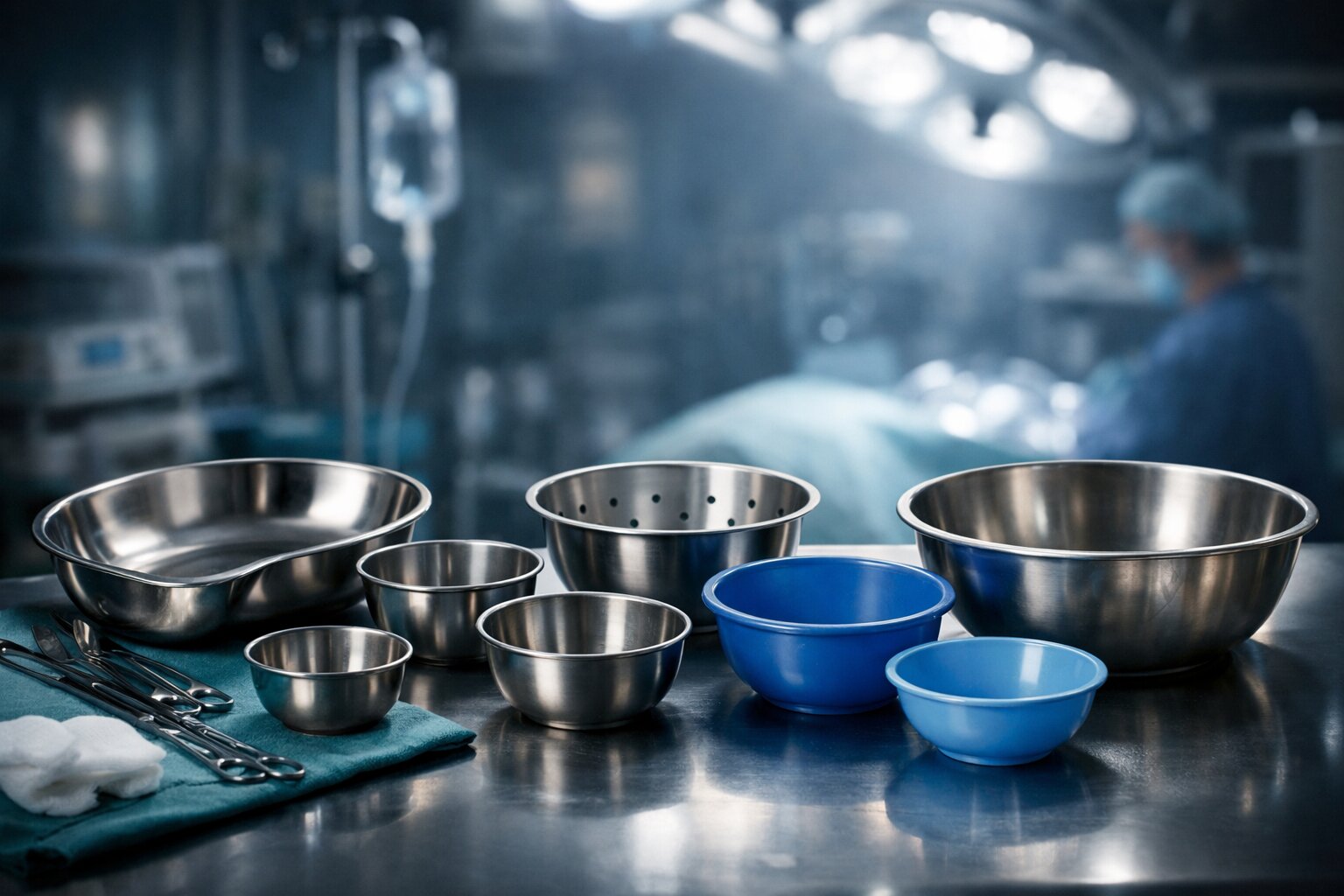
- Stainless Steel Surgical Bowls: These are most commonly used surgical bowls in hospitals. They stand out for their durability, corrosion resistance, easy to sterilize and cost-effectiveness. They are commonly used in holding surgical instruments, storing antiseptic solutions and collecting fluids during procedures. Most hospitals prefer them because of their strength, hygiene and reusability, making them ideal for high-frequency use in operating theatres.
- Plastic Surgical Bowls: They are lightweight and often disposable. They are made from medical-grade plastic. Due to their light weight, they are easy to handle. They are cost-effective for single-use procedures. They are commonly used in minor procedures, dressing and wound care and outpatient departments. They reduce the risk of cross-contamination when used as disposable items.
- Kidney Bowls: Kidney bowls, used in hospitals also called as emesis bowls, are uniquely shaped surgical bowls designed for convenience and hygiene. The kidney –shaped design ensures easy handling, and it fits comfortably against the patient’s body. They are used to collect bodily fluids, holding dressings and instruments. They are used during minor surgeries and procedures. Their ergonomic design reduces spillage and improves efficiency during procedures.
- Gallipots: Gallipots are small-sized surgical instrument bowls. They are compact and easy to handle. They are ideal for small quantities. They are used to hold ointment and creams, mixing medications and storing small surgical items. They are best for procedures requiring precision and small-volume handling.
- Graduated Surgical Bowls: These bowls come with measurement markings for accuracy. They are marked with volume measurements and help in accurate fluid management. Available in plastic and steel, these bowls measure fluids during surgery. They are also used to mix solutions with precise quantities. These surgical utilities bowls ensure accuracy, which is important in medical and surgical procedures.
- Disposable Surgical Bowls: They are designed for single-use applications. They are made from plastic or sustainable pulp. They are sterile and ready to use, eliminating the need for cleaning. They are commonly used in infection control environments, emergency and high-risk procedures and isolation wards. These bowls significantly reduce infection risks and save sterilization time.
Choosing the Right Surgical Bowls
Selecting the right medical bowls used in surgery is important for maintaining hygiene, improving efficiency and ensuring smooth medical procedures. Here are the most important factors to consider-
- Purpose of Use: Identify whether the bowl will be used for major surgeries, minor procedures or dressing purposes. Use gallipots for small quantities and kidney bowls for fluid collection. Choose specialized bowls for specific surgical tasks.
- Material: Decide whether you want to invest in stainless, disposable or plastic bowls. Hospital Stainless Steel Bowls are long-lasting, durable, reusable and ideal for repeated sterilization. The plastic bowls are light in weight and are suitable for short-term or outpatient use. The disposable bowls are best for controlling infection and are considered for single-use scenarios.
- Sterilization: Make sure the bowls you choose can easily withstand autoclaving or chemical sterilization. Disposable bowls are best in high-risk or isolated environments. It is important to maintain strict hygiene protocols to prevent cross-contamination.
- Size: Choose the size based on volume requirements. Small bowls are used for medications and dressing. Larger bowls for fluids and instrument storage. Graduated bowls help in accurate measurements.
- Durability: Stainless steel bowls are durable and offer long-term cost savings. The disposable bowls reduce cleaning and labour costs. Consider the balance between budget and frequency of use when choosing the right bowl.
- Ease of Handling: Choose the bowls that are easy to handle. It is ideal to invest in the surgical bowls that have smooth edges and ergonomic designs. The kidney bowls are easy to handle and reduce spillage.
- Medical Standards: Make sure the bowls meet hospital safety and quality standards. Prefer surgical bowls that adhere to ISO and healthcare guidelines. Source the bowls and other hospital equipment from a trusted medical equipment manufacturer.
Importance of Surgical Bowls in Hospitals
- Hygiene and Sterility: The bowls help maintain a sterile environment during medical procedures. They prevent instrument and fluid contamination. They support strict infection control protocols in hospitals and clinics.
- Efficient Handling of Medical Materials: The bowls are used for holding surgical instruments, dressings, and solutions. They ensure quick access during procedures. They also improve workflow, reducing delays in critical situations.
- Safe Fluid Collection: Surgical bowls help in the safe collection of blood, body fluids and waste. They reduce spillage and maintain cleanliness. They are essential for both minor and major procedures.
- Versatility: The bowls have versatile uses. They are used in OTs, ICUs, wards and OPDs. They are ideal for multiple applications like dressing, cleaning and procedures.
- Cost-Effective Healthcare: The reusable bowls reduce long-term costs. The disposable options save sterilization time and labour. They help hospitals balance efficiency and budget.
By understanding surgical bowl types and uses, you can make an informed choice. The right choice will ensure patient safety, operational efficiency and infection control.
Hospitals are encouraged to maintain a mix of reusable and disposable options to meet diverse clinical needs.
FAQs
- What is the most commonly used surgical bowl in hospitals?
Stainless Steel surgical bowls are most commonly used. United Poly manufactures and exports premium-quality stainless steel surgical bowls. - Is a disposable surgical bowl safe for medical use?
Yes, disposable surgical bowls are safe and preferred in high-risk environments as they reduce the chances of cross-contamination. - Why United Poly stands out as the best supplier of hospital surgical bowls?
United Poly’s surgical bowls stand out for premium quality, ISO certified standards, a wide product range and trust.
About the Author
United Poly is a trusted manufacturer and global supplier of high-quality hospital furniture, medical equipment and surgical tools. The brand specializes in long-lasting, hygienic and precision-engineered medical products designed to meet global healthcare standards.
With a strong focus on innovation and quality, United Poly delivers reliable medical products that enhance efficiency and patient care.